
E-Waste Generation and Consumer Economics under Grid Instability: A Socio-Economic Analysis of Appliance Replacement Patterns
DOI:
https://doi.org/10.68024/dxf0h675Keywords:
Grid instability, Consumer economics, Appliance replacement, Electronic waste (e-waste), Socio-economic vulnerabilityAbstract
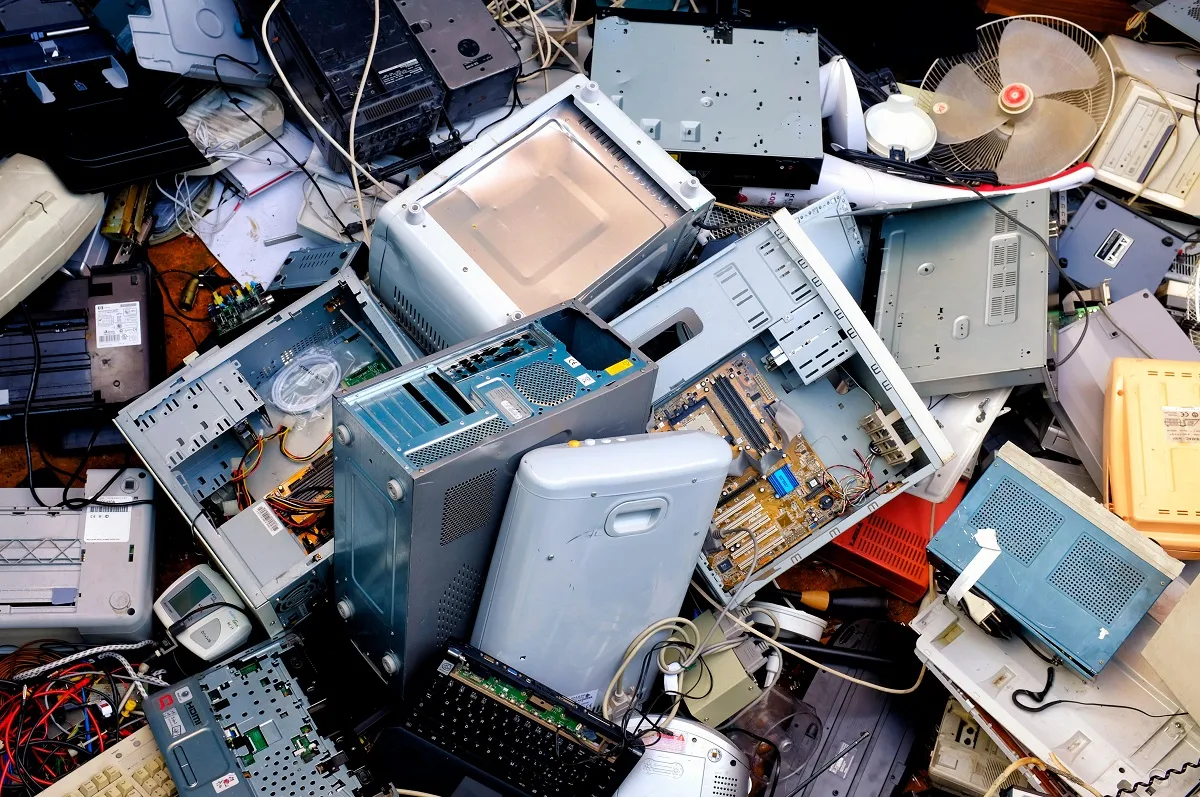
Persistent electrical grid instability in developing economies poses severe challenges to household infrastructure, accelerating the premature degradation of domestic appliances. This study investigates the socio-economic drivers and environmental consequences of appliance replacement patterns induced by chronic voltage fluctuations. Grounded in consumer choice theory and material culture sociology, the research examines how households navigate the economic dilemma of choosing between costly repairs and total equipment replacement under financial precarity. Utilizing a mixed-methods research design comprising a survey of 400 urban and semi-urban households alongside semi-structured interviews, the empirical findings reveal that voltage surges and sags significantly shorten appliance lifespans by forty to sixty percent, disproportionately burdening vulnerable low-income families. The economic analysis indicates that recurring repair costs frequently exceed the threshold of perceived utility, compelling consumers into premature replacement cycles that amplify domestic debt and accelerate electronic waste generation. Furthermore, this study highlights a heavy reliance on informal, unregulated disposal channels driven by immediate financial coping mechanisms rather than environmental awareness. By linking infrastructure reliability directly to household consumer economics and municipal waste dynamics, the paper bridges a critical gap in sustainable development scholarship. Policy recommendations emphasize the urgent necessity for robust grid stabilization, targeted consumer subsidies for voltage protection devices, and formalized circular economy frameworks to mitigate domestic financial strain and curb hazardous e-waste accumulation across emerging urban landscapes. Additionally, the findings contribute valuable empirical insights for policymakers, urban planners, and environmental sociologists striving to balance infrastructural resilience with equitable household economic welfare outcomes today.
Downloads
Published
Issue
Section
License
Copyright (c) 2026 Khizar Atif (Author)

This work is licensed under a Creative Commons Attribution 4.0 International License.
Articles published in this journal are licensed under the Creative Commons Attribution 4.0 International License (CC BY 4.0). This license permits others to share, copy, redistribute, adapt, remix, transform, and build upon the material for any purpose, including commercial purposes, provided that appropriate credit is given to the original author(s), a link to the license is provided, and any changes made are indicated.
Authors retain copyright of their work and grant the journal the right of first publication. The full terms of the Creative Commons Attribution 4.0 International License are available at https://creativecommons.org/licenses/by/4.0/.