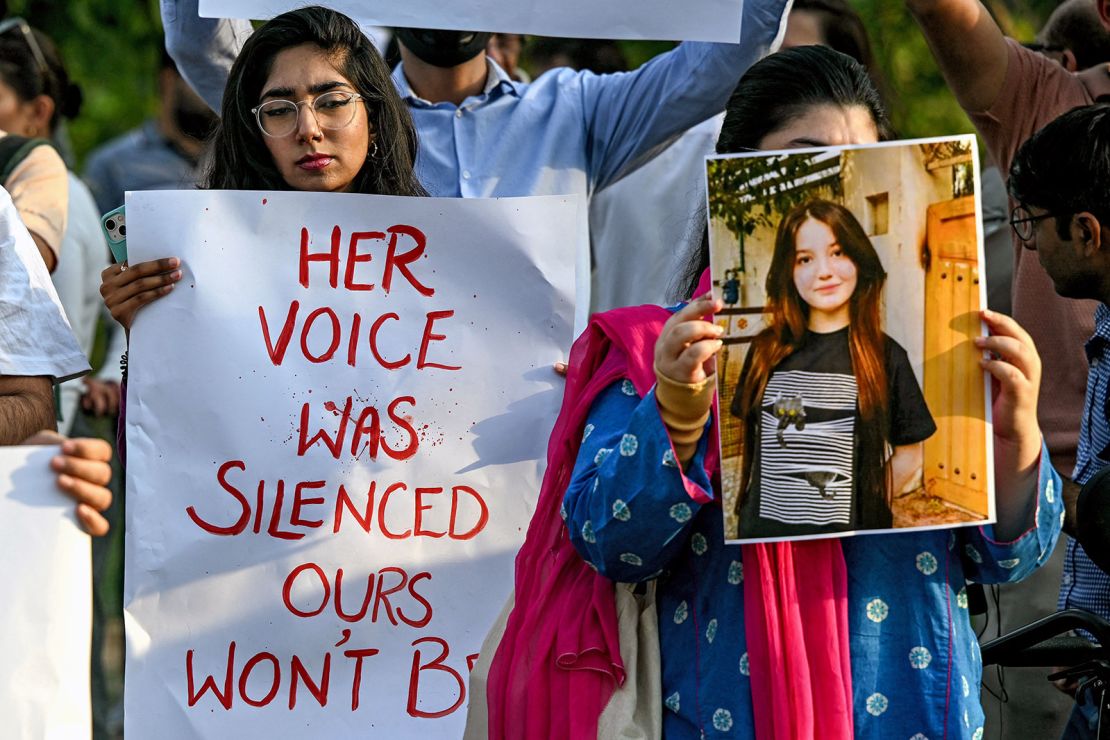
If She Rejects, She Deserves Punishment: Tracing Incel Logic in Public Comments on the Murder of Sana Yousaf
DOI:
https://doi.org/10.68024/yk6vfz76Keywords:
Misogyny, , Male entitlement, Incel, Victim-blaming, social mediaAbstract
This study investigates how entitlement-based and punishment-based narratives, often associated with incel ideology, are reproduced and justified in Pakistani social media discourse, focusing on public reactions to the murder of 17-year-old TikTok influencer Sana Yousaf. Violence against women in Pakistan is embedded within patriarchal structures, gendered power relations, and honor-based social norms. Using a qualitative approach and Fairclough’s three-dimensional model of Critical Discourse Analysis (CDA), the study examines textual, discursive, and social practices within 180 publicly visible social media comments collected from TikTok, Instagram, Facebook, and X. The analysis identifies recurring patterns of male entitlement, victim-blaming, moral policing, and religious or cultural justification of violence. Comments often frame female autonomy and rejection as provocations deserving punishment, reflecting the intersection of global incel ideology with local patriarchal values. Findings reveal that online discourse not only mirrors offline social hierarchies but also normalizes misogyny and violence against women, highlighting the urgent need for digital literacy, awareness campaigns, and policy interventions. This study contributes to understanding how transnational ideological frameworks, such as incel logic, manifest in South Asian digital spaces, shaping attitudes toward women’s autonomy and reinforcing patriarchal control.
Downloads
Published
Issue
Section
License
Copyright (c) 2025 Ayesha Siddiqua (Author)

This work is licensed under a Creative Commons Attribution 4.0 International License.
Articles published in this journal are licensed under the Creative Commons Attribution 4.0 International License (CC BY 4.0). This license permits others to share, copy, redistribute, adapt, remix, transform, and build upon the material for any purpose, including commercial purposes, provided that appropriate credit is given to the original author(s), a link to the license is provided, and any changes made are indicated.
Authors retain copyright of their work and grant the journal the right of first publication. The full terms of the Creative Commons Attribution 4.0 International License are available at https://creativecommons.org/licenses/by/4.0/.